Whatsapp
Abstract: Scrap happens—sprues, runners, rejected parts, purgings, and trim are inevitable in plastics processing. The real question is whether that scrap becomes costly waste or usable regrind. This in-depth guide explains how a Plastic Crusher solves the everyday pain points buyers worry about (inconsistent particle size, dust/noise, knife wear, jams, contamination, and production interruptions). You’ll also learn how to choose the right crusher type and configuration for your workflow, how to set up safe machine-side recycling, and how to maintain stable output quality. Insights in this article reflect practical manufacturing considerations and the product expertise of Ningbo Xinbaile Intelligent Machinery Manufacturing Co., Ltd.
When people shop for a Plastic Crusher, they rarely start with “I want to grind plastic.” They start with a headache:
A well-specified Plastic Crusher is not just a “cost-saving machine.” It’s a workflow stabilizer: it turns random scrap into controlled, reusable feedstock—without dragging your production pace down.
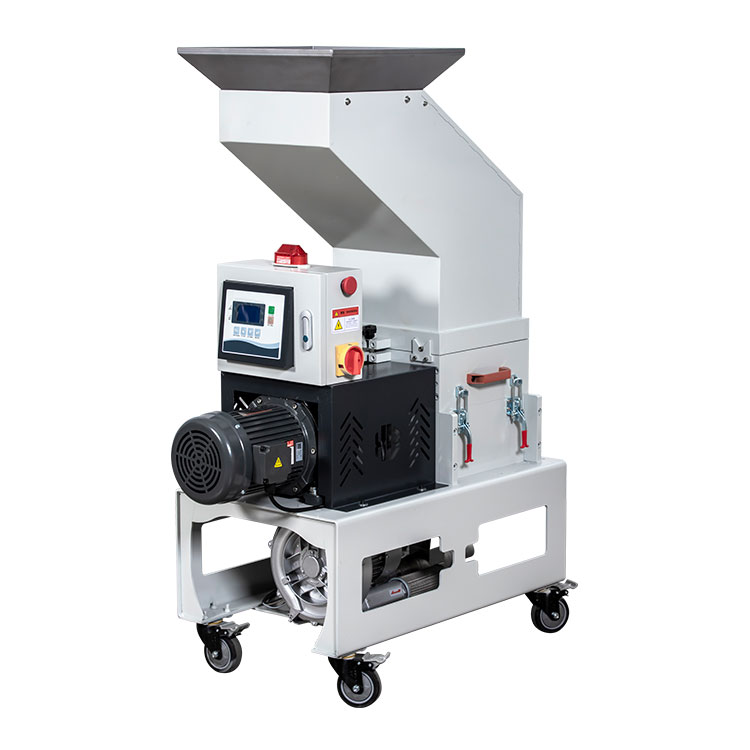
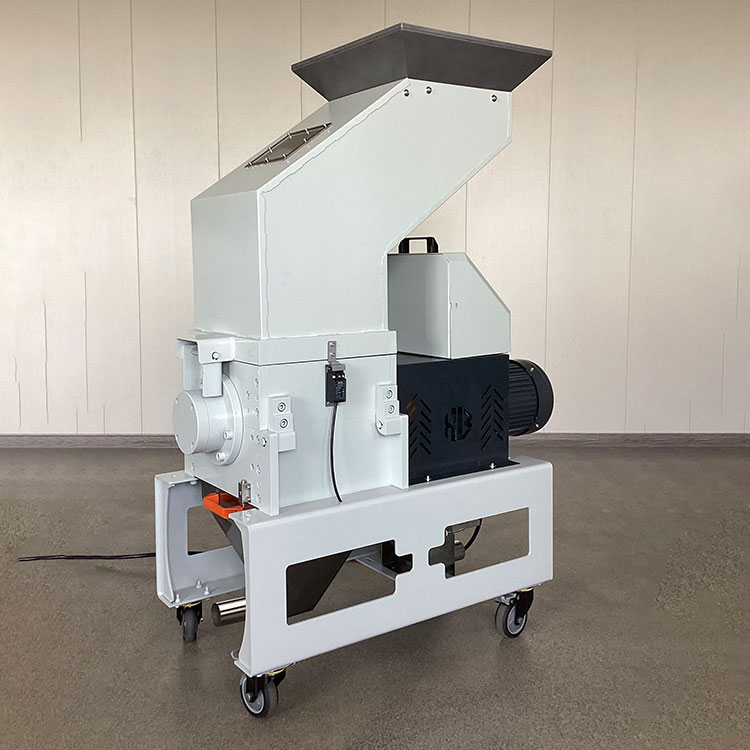
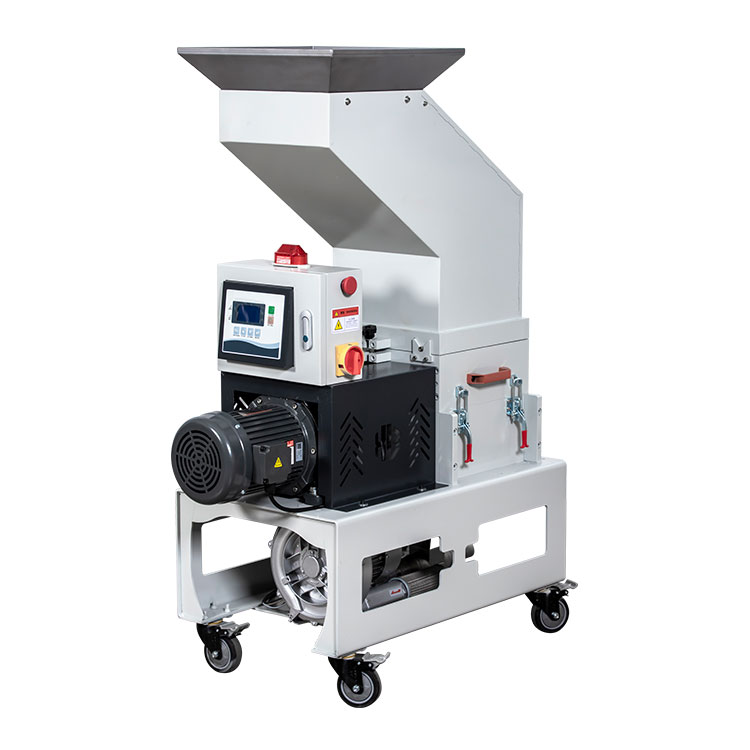
At its core, a Plastic Crusher uses rotating and fixed blades to cut plastic into uniform granules. But the practical value is bigger than size reduction:
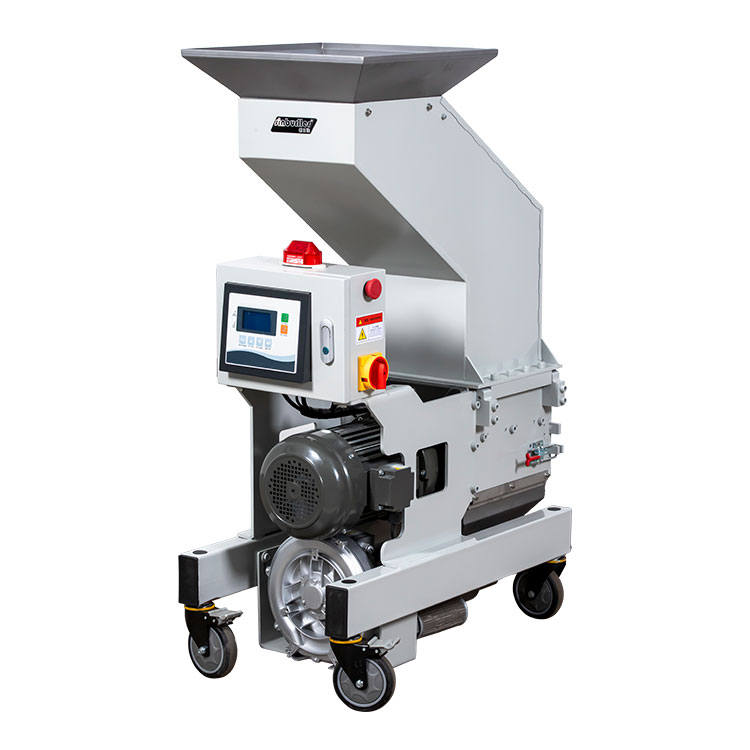
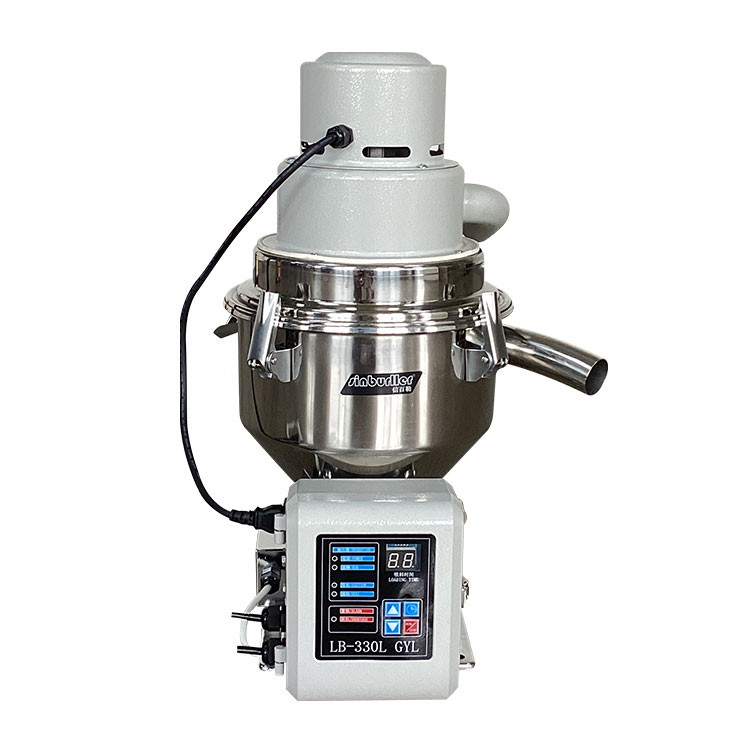
In injection molding plants, the most common goal is “close-loop” reuse: runners and sprues are crushed and returned to the process (often via suction conveying) so the material cycle stays short and traceable.
The fastest way to regret a crusher purchase is to pick by horsepower alone. The smarter route is to match machine behavior to your scrap profile: thickness, hardness, shape, and how often scrap appears.
| Production Scenario | Recommended Crusher Style | Why It Works | Watch Outs |
|---|---|---|---|
| Machine-side sprues/runners, steady small scrap flow | Low-speed granulator | Lower noise, controlled cutting, stable particle size | Not ideal for very bulky parts unless sized correctly |
| Mixed scrap loads, higher volume, central collection | Medium-speed granulator | Balanced throughput and granule consistency | Noise control and dust collection become more important |
| Thick runners, hard plastics, irregular chunks | Claw-type crusher | Strong “bite” and cutting force for tough scrap | Knife wear can rise if contamination is common |
| Noise-sensitive workshop, near operators | Silent claw-type crusher | Designed to reduce perceived noise while keeping cutting strength | Still requires correct installation and damping for best results |
Practical tip: If your scrap appears continuously (every cycle), choose a crusher that behaves calmly and predictably. If your scrap arrives in batches (shift clean-outs, start-up purgings), prioritize easy loading and anti-jam design.
Buyers often compare model lists, but performance comes down to a few “make-or-break” factors. Use this checklist to avoid surprises after installation.
In real factories, the best Plastic Crusher is the one operators don’t fight with. Easy-to-follow routines beat “heroic” machines that require constant special handling.
Integration is where most hidden costs live. The same crusher can feel “perfect” in one layout and “impossible” in another.
Machine-side recycling (next to the molding machine):
Central recycling (shared crushing area):
A clean rule that prevents chaos: Decide upfront what scrap is “closed-loop eligible” (same resin, same color, same product family) and what scrap is “separate-stream.” A Plastic Crusher doesn’t magically fix mixed-material mistakes—it just makes the mistake harder to detect after grinding.
Most crusher complaints are maintenance problems wearing a “machine problem” costume. Here’s what actually keeps crushing stable:
For workshops that run long shifts, build a “small maintenance habit” into the day rather than relying on a big monthly shutdown. The best maintenance is the kind that never feels dramatic.
If your Plastic Crusher is acting up, these are the patterns that show up most often in real production environments:
When troubleshooting, resist the temptation to “solve everything with more power.” Most issues come from feeding discipline, knife condition, and layout—not lack of motor strength.
Decision-makers usually approve a Plastic Crusher for one of two reasons: saving resin cost or stabilizing production. The strongest business case often combines both.
If you want a simple internal justification model, track these three metrics for two weeks: kilograms of scrap produced, kilograms of scrap reused, and time spent handling scrap. The numbers make the argument for you.
Q: How much regrind can I safely add back into production?
A: It depends on product requirements, resin type, and appearance tolerance. Many factories start with a conservative ratio, monitor melt stability and surface finish, then adjust based on real data and customer specs.
Q: What makes a crusher “machine-side” friendly?
A: Predictable cutting behavior, lower perceived noise, easy operation, and a layout that supports safe feeding and quick cleaning. The goal is minimal disruption to operators and molding rhythm.
Q: Will hard plastics damage the crusher faster?
A: Hard plastics can increase knife wear if the cutting geometry and maintenance plan aren’t matched to the material. Proper knife selection, correct adjustment, and contamination control make a major difference.
Q: What causes regrind to look dusty?
A: Dull knives, overheating, or the wrong screen strategy are common causes. Dust also increases when feeding is too aggressive or material is brittle and fractures rather than cleanly cuts.
Q: What should I do to prevent contamination from ruining a batch?
A: Build a sorting rule (material + color + insert status), use labeled bins, and define which scrap is allowed into the crusher. The simplest system is often the most reliable.
Q: Do I need suction conveying to get value from a Plastic Crusher?
A: Not always, but conveying can unlock faster closed-loop recycling by moving granules directly to storage or feeding points. If your goal is real-time reuse, plan the material path alongside the crusher selection.
A Plastic Crusher is one of those “quiet heroes” in plastics processing: it doesn’t change your product design, but it can change your costs, cleanliness, and day-to-day stability. The best results come from matching the crusher type to your scrap reality, then supporting it with a clear material rule and a small, consistent maintenance routine.
If you want help selecting a model, sizing the system for your throughput, or planning machine-side recycling without disrupting operators, contact us at Ningbo Xinbaile Intelligent Machinery Manufacturing Co., Ltd.—we’ll help you turn scrap into a controlled, reliable resource instead of a daily problem.