News

How Do Hopper Loaders Deliver Superior Efficiency, Reliability, and Future-Ready Automation in Material Handling?

2025-12-05

Hopper loaders play a critical role in automated material-handling systems across plastics processing, food packaging, chemical compounding, and pharmaceutical manufacturing. Their primary function is to transfer resin, powder, or granular materials from storage bins to processing machines with consistent accuracy, helping factories reduce labor demands, maintain product purity, and enhance overall production efficiency.

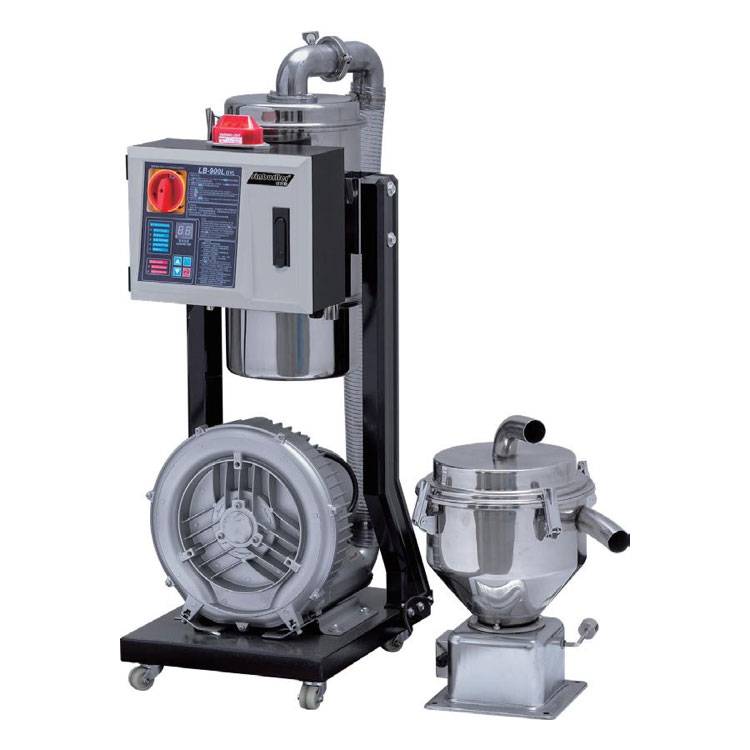
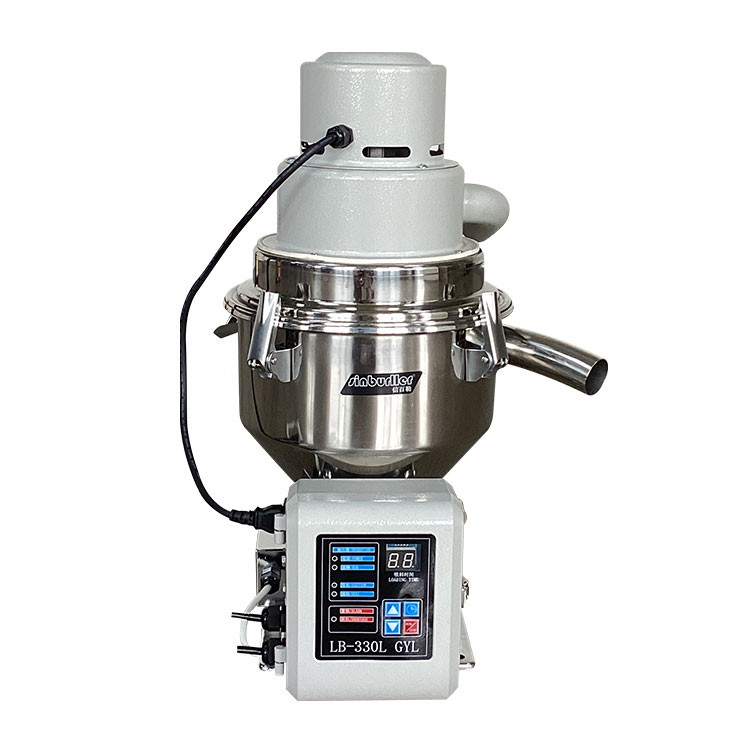
Euro Auto Vacuum Loader

Industrial hopper loaders are designed with a combination of vacuum suction, filtration, motor control, and automated level-sensing technologies. These components work together to ensure that material is conveyed rapidly and cleanly with minimal maintenance downtime.

Below is a consolidated technical parameter table representing a typical high-performance stainless-steel hopper loader configuration:

Technical Specification Table for Hopper Loaders

Category Specification
Material Compatibility Plastic pellets, regrind, powder materials, chemical granules
Construction Material 304/316 stainless steel with polished interior
Loading Capacity 200–1500 kg/hr depending on model
Hopper Volume 6 L – 50 L
Motor Type High-efficiency vortex or brushless motor
Motor Power 0.75–3.5 kW
Vacuum Pressure Up to –320 mbar
Filtration System Multi-layer fine dust filter with automatic cleaning
Noise Level <75 dB depending on loading distance
Control Interface Digital PLC panel with auto/manual modes
Feeding Distance 3–8 meters (longer distances optional)
Discharge Method Pneumatic or automatic flap valve
Protection Functions Overload protection, motor temperature monitoring, anti-static grounding
Communication Ports Relay, Modbus, and optional smart-factory connectivity

These specifications demonstrate how hopper loaders combine mechanical stability with digital intelligence to ensure consistent output in demanding industrial environments.

How Do Hopper Loaders Ensure Reliable Material Flow and Operational Efficiency?

How Does the Suction Mechanism Improve Material Consistency?

A high-efficiency motor generates strong vacuum pressure, creating a controlled airflow that transports material smoothly from storage bins to processing points. This process prevents blockages, reduces contamination risk, and maintains a stable feeding cycle essential for precision molding or compounding.

How Does Intelligent Control Strengthen Accuracy?

Digital PLC controls manage suction cycles, material levels, and system alerts. Automatic feeding logic ensures that the loader only operates when necessary, reducing energy waste while preventing machine starvation.

How Does the Filtration System Support Clean Operations?

A multi-layer filter captures fine dust particles, preventing contamination of material and safeguarding the motor. Some systems include automatic filter cleaning, reducing manual maintenance frequency and extending service life.

How Does the Structure Enhance Durability?

Stainless-steel construction withstands high-temperature materials and corrosive environments. The internal polished finish prevents residue buildup, promoting hygiene and reducing the risk of cross-contamination.

How Do Hopper Loaders Contribute to Automation and Labor Reduction?

By eliminating manual material transport, hopper loaders minimize labor requirements and human-error risks. When integrated with centralized material systems, they support 24/7 automated plant operation, improving production stability and reducing operational costs.

How Will Hopper Loaders Evolve to Meet Next-Generation Manufacturing?

How Will Smart Automation Redefine Material Conveying?

Industrial automation trends indicate a rising demand for interconnected hopper loaders capable of real-time monitoring, predictive maintenance, and automated troubleshooting via IoT platforms. Connectivity enables remote supervision and optimized load balancing across production lines.

How Will Energy Efficiency Shape Future Designs?

New models will adopt brushless motors, variable-speed fans, and optimized air channels to lower power consumption while maintaining high suction efficiency. Smart algorithms may adjust suction intensity based on real-time resistance detection.

How Will Hygiene and Safety Standards Evolve?

Food, pharmaceutical, and chemical industries require higher levels of dust control, anti-static design, and contamination-free construction. Future hopper loaders will likely implement HEPA-grade filtration, advanced anti-static pathways, and hermetically sealed designs.

How Will Modular Architecture Improve Flexibility?

Scalable modules will allow manufacturers to integrate multiple loaders, central feeding systems, and dosing components in flexible configurations. This modularity reduces installation time and supports rapid factory upgrades.

How Do Users Address Common Hopper Loader Challenges?

Q1: How to determine the correct hopper loader size for a production line?

A: Choosing the proper size requires evaluating several technical inputs: hourly material consumption of the processing machine, density and flow characteristics of the material, suction distance, and pipe diameter. A high-consumption line typically needs a loader with a larger hopper volume and greater suction power. In contrast, small machines can operate with compact loaders. Ensuring that the loading cycle matches the machine’s feed-rate prevents material starvation and reduces system wear.

Q2: How to maintain stable suction performance over long-term operations?

A: Stable suction performance relies on clean filters, airtight pipelines, and consistent motor efficiency. Regularly inspect sealing rings, elbows, and joints for minor leaks; such leaks reduce vacuum pressure dramatically. Cleaning or replacing filters prevents dust buildup that otherwise increases motor load and shortens service life. For high-dust environments, automatic filter-cleaning models significantly improve long-term performance.

How Do High-Quality Hopper Loaders Strengthen Industrial Productivity and Long-Term Sustainability?

Hopper loaders remain indispensable tools in modern manufacturing, ensuring stable, precise, and automated material transport. Their structural durability, intelligent controls, advanced filtration, and compatibility with centralized conveying systems make them essential assets for continuous high-volume operations. As automation, digital monitoring, and energy efficiency technologies continue to evolve, hopper loaders will play an even more important role in enabling future-ready smart factories.

Sinburller® provides high-performance hopper loaders engineered to meet diverse industrial requirements, integrating reliability, intelligent control, and robust construction for long-term efficiency. For customized specifications or technical support, contact us to explore solutions tailored to your production environment.

Related News
X
We use cookies to offer you a better browsing experience, analyze site traffic and personalize content. By using this site, you agree to our use of cookies. Privacy Policy
Reject Accept