Whatsapp
In modern injection molding environments, size reduction equipment plays a strategic role in material reuse, waste management, and overall production fluidity. For plant operators seeking to refine closed-loop systems, the selection of a size reduction unit directly influences regrind quality, energy profiles, and labor allocation. The question is no longer simply about capacity, but about how a plastic crusher aligns with data-driven molding floors, automated material handling, and long-term ecological targets. This article examines current challenges, technological responses, and integrated solutions without relying on oversimplified metrics.
Many facilities experience hidden inefficiencies due to outdated or mismatched size reduction machinery. Common issues include inconsistent regrind particle geometry, excessive dust generation, high noise levels, and frequent downtime for blade maintenance. These factors disrupt drying processes, alter melt behavior, and ultimately affect final part quality. Moreover, standalone units often operate without communication with upstream or downstream equipment, leading to bottlenecks or material contamination. Addressing these pain points requires a shift from isolated devices to systems that share operational data and adapt to real-time production conditions.
When a size reduction unit fails to produce uniform regrind, subsequent stages such as drying, blending, and conveying suffer. Irregular particles can bridge in hoppers, clog feeding systems, or create uneven melting in the barrel. This results in rejected parts and increased scrap, which paradoxically demands more size reduction activity—a cycle of inefficiency. Modern solutions incorporate advanced rotor designs, screen configurations, and speed modulation to stabilize output consistency, thereby protecting downstream processes.
Conventional machines often run at fixed speeds regardless of load, wasting energy during low-demand periods. Additionally, frequent blade replacements and cleaning interventions consume skilled labor hours. Energy monitoring and predictive maintenance features are now becoming standard, allowing operators to schedule blade servicing based on actual wear patterns rather than arbitrary timelines. Such intelligence reduces unexpected breakdowns and lowers the total cost of operation.
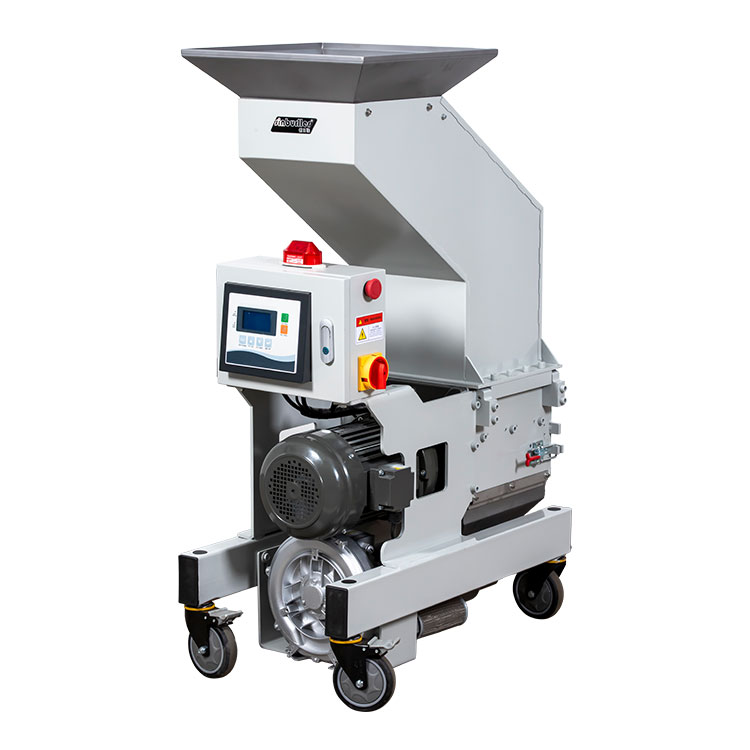
Recent advances focus on smart connectivity, acoustic sensing for wear detection, and energy-adaptive drives. These features enable a plastic crusher to become an active node in the smart factory ecosystem. For example, real-time current monitoring can signal when a rotor is facing excessive resistance, automatically adjusting feed rate or reversing direction to clear jams. Similarly, vibration analysis can predict bearing or blade degradation before catastrophic failure occurs. These capabilities shift maintenance from reactive to prescriptive, directly enhancing overall equipment effectiveness.
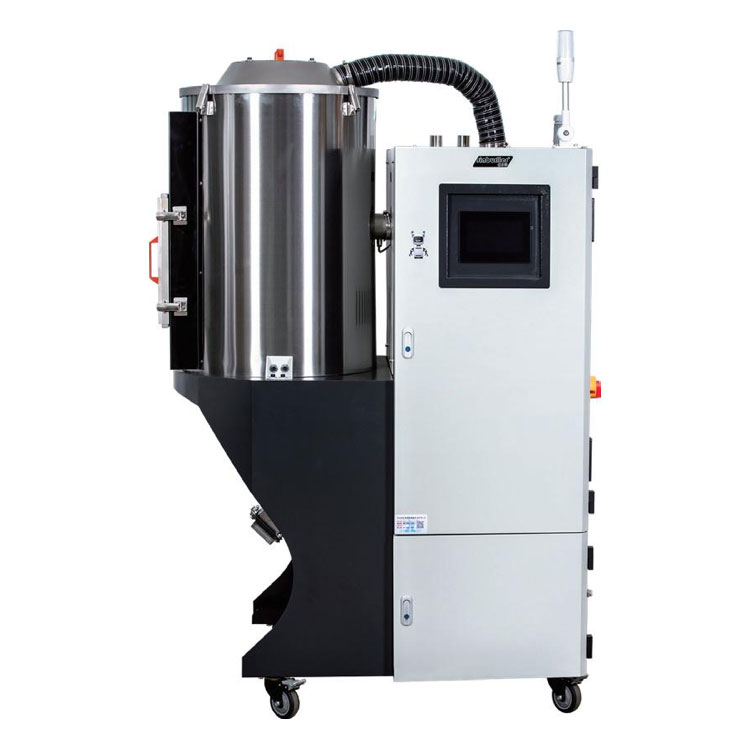
Size reduction equipment no longer operates in isolation. When linked to a central material handling network, regrind can be precisely blended with virgin resin at controlled ratios, then conveyed directly to dehumidifying dryers and then to processing machines. This integration prevents cross-contamination and ensures that regrind enters the process with the same moisture profile as virgin material. Seamless communication between the size reduction unit, drying hoppers, and conveying blowers creates a closed-loop material circuit that maximizes recycled content without compromising part integrity.
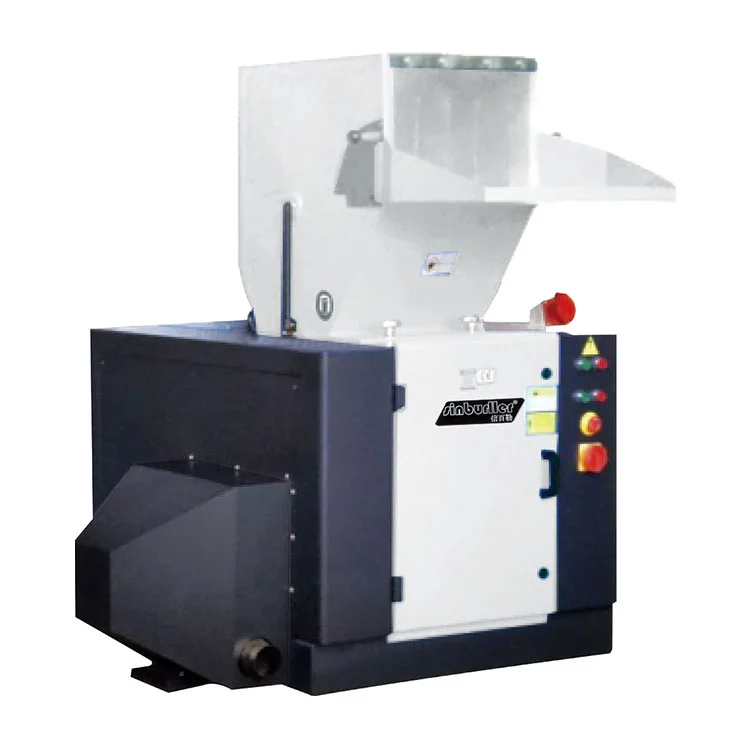
High-performance size reduction designs now feature sound-dampened enclosures, optimized cutting geometries that reduce fines, and negative-pressure dust extraction ports. These improvements not only improve workplace safety and comfort but also reduce housekeeping labor. Cleaner regrind also benefits downstream drying, as dust particles are more prone to thermal degradation and can accelerate filter clogging in drying systems. Therefore, dust reduction at the crushing stage directly reduces drying energy and filter replacement frequency.
Adopting an intelligent approach to size reduction yields multiple operational advantages that extend beyond the crushing station itself. Below is a comparative overview of traditional versus modern equipment characteristics, focusing on system-level outcomes rather than isolated technical data.
| Aspect | Conventional Unit | Smart Integrated System |
| Regrind uniformity | Variable, often requiring secondary screening | Consistent granule geometry via adaptive control |
| Energy usage pattern | Fixed speed, constant power draw | Load-dependent modulation, lower idle consumption |
| Maintenance approach | Scheduled or after failure | Condition-based with predictive alerts |
| Data integration | None or basic alarm | Full OPC UA / industrial IoT ready |
| Downstream impact | Risk of dryer/conveyor issues | Stable material flow, reduced rejects |
As shown above, the shift toward smart size reduction delivers tangible improvements in process stability, energy efficiency, and maintenance predictability. These advantages become even more pronounced when the equipment is part of a holistic factory automation strategy rather than a standalone purchase.
Implementing advanced size reduction successfully requires more than just acquiring a new machine. It demands a thorough assessment of material flow, existing conveying networks, drying capacity, and overall plant layout. A fragmented approach—where a plastic crusher is selected in isolation—often leads to compatibility issues, unused features, or mismatched throughput. Conversely, a comprehensive system design ensures that all components, from the granulation station to the molding machine, operate with synchronized parameters.
One of the primary goals in modernizing any injection molding floor is to reduce manual intervention. With intelligent size reduction equipment linked to automated conveying and blending systems, operators no longer need to manually transport regrind bins, check fill levels, or adjust crusher settings repeatedly. Centralized control software monitors material levels, crusher load, and regrind quality, automatically adjusting parameters or sending alerts only when human attention is necessary. This transition frees up skilled personnel for higher-value tasks such as process optimization and quality assurance.
Efficient size reduction directly supports circular economy principles within the plastics industry. By producing clean, uniform regrind that can be reintroduced into the production line at high percentages, manufacturers reduce virgin resin consumption, lower carbon footprint, and minimize waste sent to landfill or incineration. Additionally, energy-adaptive drives and reduced maintenance intervals lower operational expenditures. Over time, the return on investment from such a system often exceeds that of conventional equipment, even before accounting for sustainability certifications that may open premium markets.
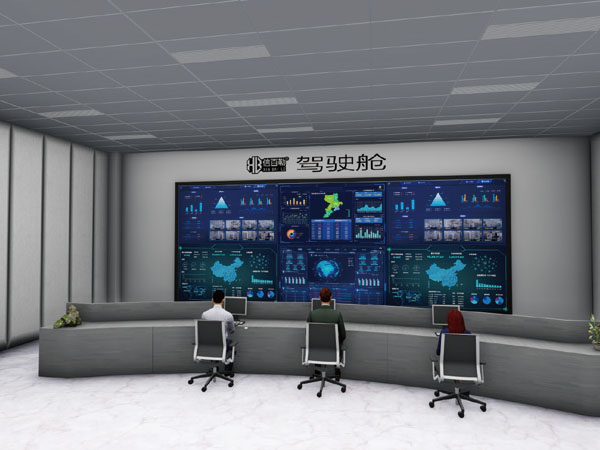
An ecological molding process is not only about materials but also about data transparency. When each piece of equipment—dryer, conveyer, blender, and size reduction machine—shares real-time performance indicators, plant managers can identify correlations between regrind characteristics and final product defects. For instance, if a spike in fines from the size reduction stage correlates with increased rejects from a specific molding cell, corrective action can target the crusher settings or blade sharpness schedule. This closed-loop data ecosystem transforms waste reduction from a guesswork exercise into a precise engineering discipline.
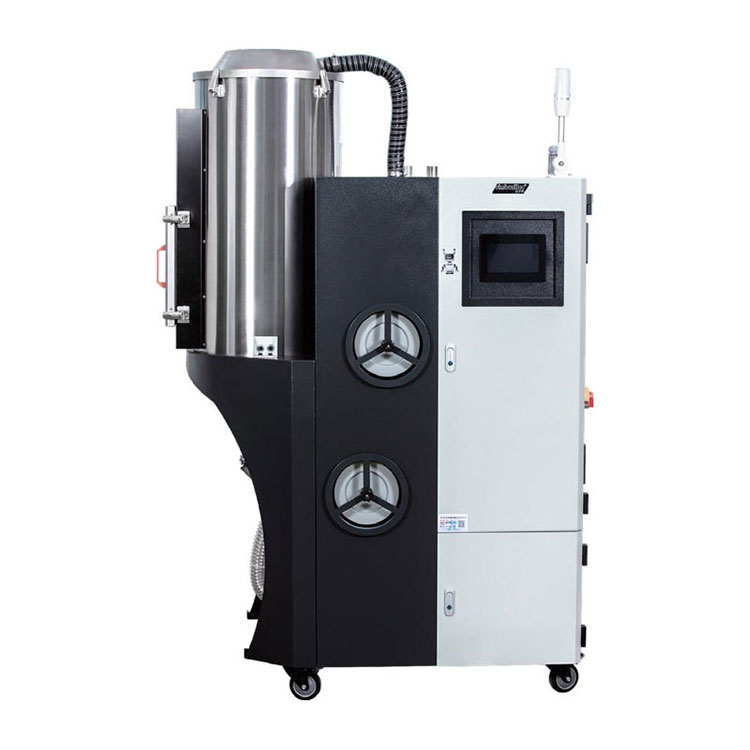
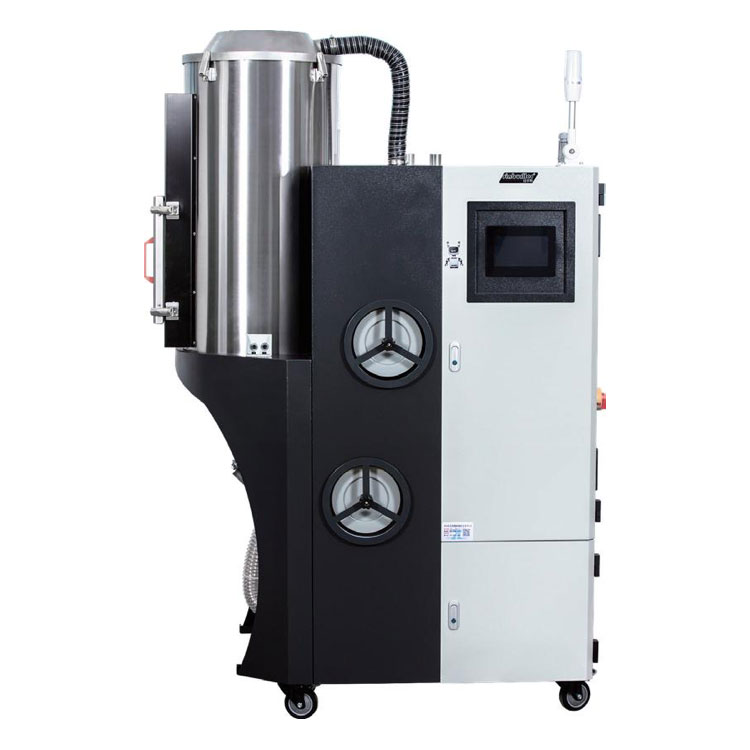
Modern auxiliary equipment suites include dehumidifier dryers, automatic loaders, mold temperature controllers, and color blenders. The plastic crusher must interface seamlessly with these units to achieve the promised benefits. For example, after size reduction, regrind is often blended with virgin material and colorant before entering the dryer. If the crushing unit produces excessive dust, the dryer’s filter may clog rapidly, increasing energy consumption and risking material degradation. Conversely, a well-integrated system allows the drying parameters to be adjusted based on the regrind’s specific surface area and moisture affinity, ensuring uniform drying regardless of recycled content percentage.
A major source of operational friction is the need to manage multiple control panels, data logs, and alarm systems from different vendors. Unified human-machine interfaces (HMIs) that aggregate information from all auxiliary equipment—including the size reduction station—significantly reduce training requirements and troubleshooting time. Operators can view blade status, throughput rates, energy consumption, and material blend ratios from a single screen, and receive actionable insights rather than raw data. This simplification is critical for moving from several personnel per shift to near-unattended operation.
The next frontier involves self-optimizing size reduction systems that use machine learning to adjust rotor speed, feed rate, and screen configuration based on real-time material properties and downstream demand. Such systems will communicate directly with production scheduling software, preparing specific regrind blends just-in-time for scheduled jobs. This level of automation reduces buffer stocks, eliminates manual changeovers, and further lowers the total cost of ownership. Early adopters of these technologies are already reporting increased flexibility in handling diverse materials, from engineering thermoplastics to biodegradable compounds.
Moving toward an intelligent plastic processing plant means anticipating issues before they cause downtime. For size reduction, this includes online particle size monitoring, acoustic emission analysis, and automatic lubrication systems. Instead of waiting for a screen to clog or blade to dull, the system alerts maintenance to perform targeted actions during planned pauses. When combined with predictive analytics from other auxiliaries (e.g., dryer dew point trends, mold temperature controller stability), plant managers can orchestrate maintenance windows to minimize production impact—a stark contrast to the traditional “run to failure” approach.
Ultimately, the value of a modern size reduction solution is realized only when it is embedded within a coherent, end-to-end strategy for material management. Isolated upgrades often fail to deliver promised ROI because hidden bottlenecks elsewhere in the line limit overall throughput. A holistic approach, where the plastic crusher is specified concurrently with drying, conveying, and blending systems, ensures that capacities match and control philosophies align. Moreover, single-source responsibility for system performance eliminates finger-pointing between suppliers when issues arise.
One of the most underappreciated benefits of an integrated system is the reduction in cognitive load on operators and managers. Instead of juggling manuals and interfaces for six different auxiliary machines, the team works with a unified workflow. Alarms are contextualized: a drying alert may be traced back to a crusher screen issue, for example. Data becomes meaningful, supporting decisions about material recipes, maintenance intervals, and even supplier choices. This transformation—from noisy data to actionable intelligence—is the hallmark of a mature smart factory.
Success in this evolving landscape requires collaboration between equipment users and providers who embrace open communication standards and shared objectives. Proprietary protocols that lock users into single-vendor ecosystems hinder the kind of flexible, best-of-breed integration described above. Forward-thinking manufacturers prefer partners that support widely adopted industrial communication standards (e.g., OPC UA, MQTT) and provide transparent APIs for data exchange. This openness extends to service relationships, where continuous improvement is driven by shared performance data rather than reactive maintenance calls.
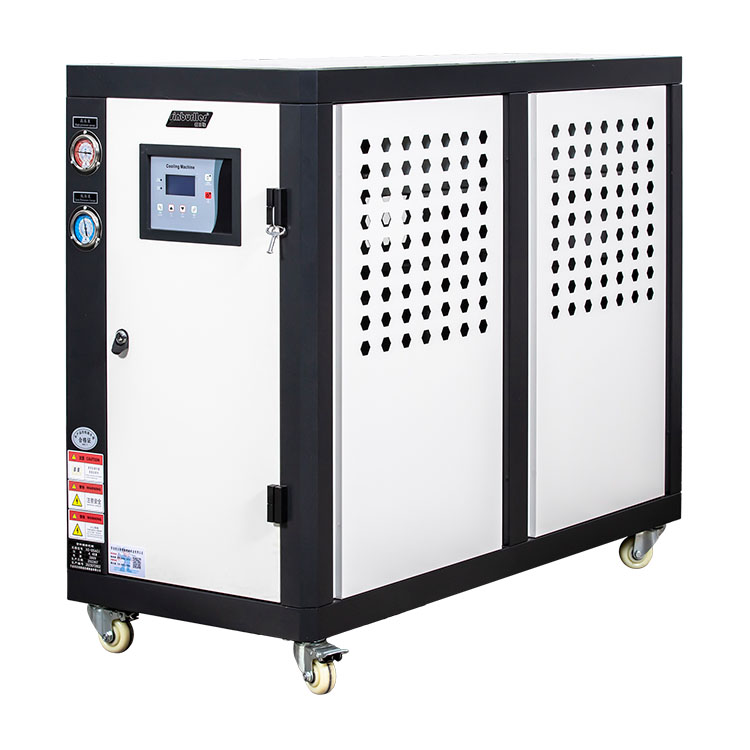
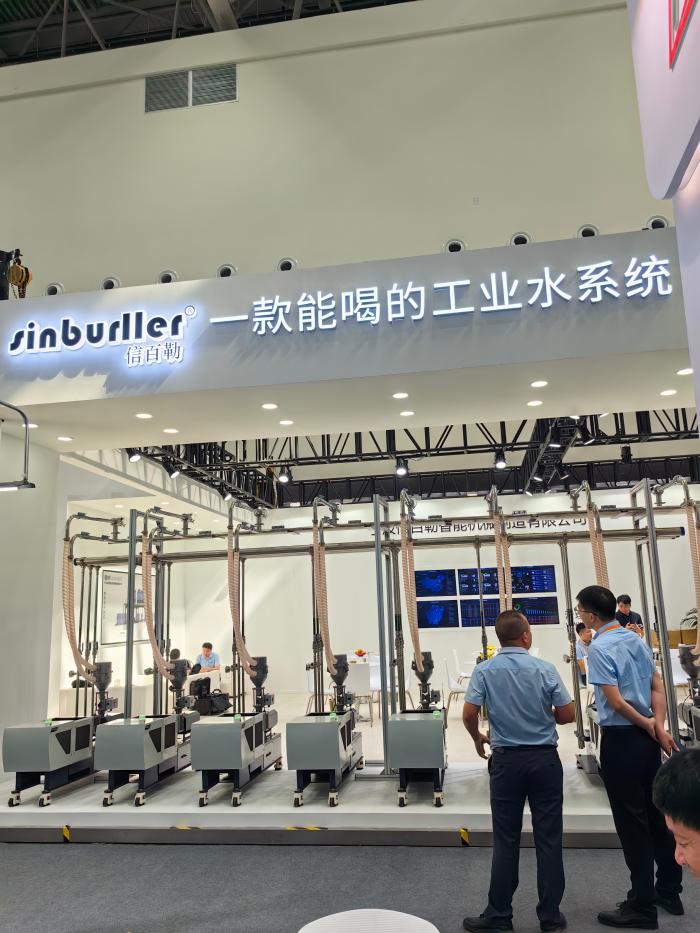
Ningbo Xinbaile Intelligent Machinery Manufacturing Co., Ltd. operates exactly on these principles: open platforms, shared benefits, and a holistic vision for smart plastic technology factories. By integrating top-tier engineering talent and premium resources across the industry, the company leads in applied technology, offering everything from dehumidifier dryers and feeding systems to mold temperature controllers and plastic color mixers. For size reduction needs, Xinbaile’s approach goes beyond the machine—they provide intelligent planning and layout for the entire injection molding plant, diagnostic analysis of molding floor issues, and preventive solutions that foster scientific, intelligent, data-driven, and ecological molding processes. Their service objective is to simplify complex workflows, transition from multiple personnel to near-unattended operation, enhance data clarity, and optimize energy efficiency. This directly helps customers elevate productivity, reduce operational costs, and achieve meaningful energy conservation and emission reduction. When considering a plastic crusher as part of your plant modernization, partnering with a provider that delivers system-level integration—rather than just hardware—makes the difference between an incremental improvement and a transformative leap forward.